CASA VEGA
Nerja, España
CASA VEGA
Nerja, España
From 40,000-year-old cave paintings to the little fishing village that became famous across Spain — this is the story of Nerja.
The story of Nerja begins long before the town itself — in the great limestone caves in the mountains just outside it. One day in 1959, five local boys were hunting for bats when they stumbled upon an opening in the rock that led down into one of Europe's most impressive cave systems.
Deep inside the Nerja Caves, cave paintings were found that are believed to be up to 40,000 years old — among the oldest known examples of human art in the world. Today you can visit part of the caves, while others are still being explored by researchers to this day.
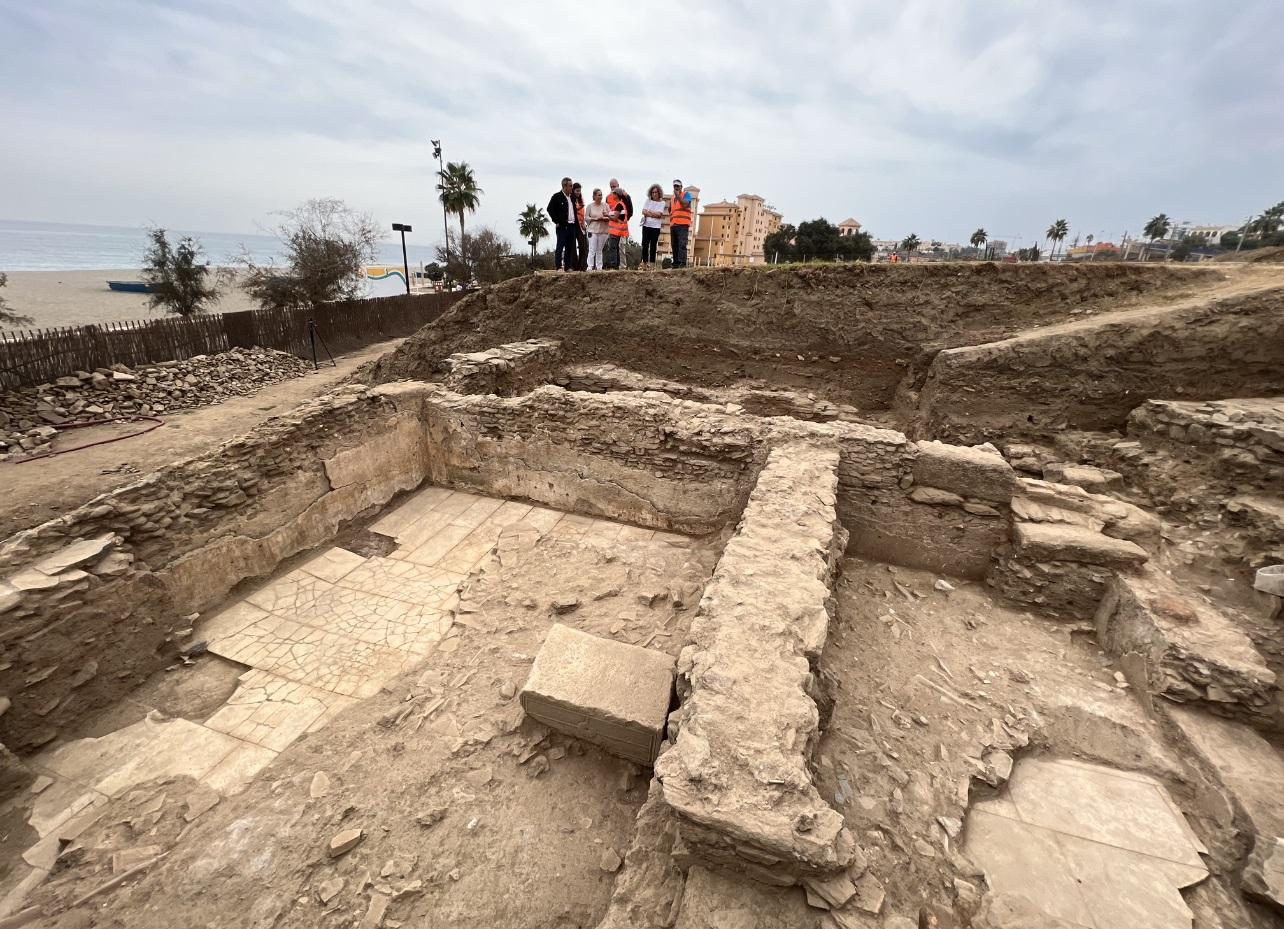
Long before Nerja got its current name, the coast was an attractive stop for the great traders of the time. The Phoenicians and Greeks sailed past and traded with the locals, and later the Romans settled and left behind several settlements in the area, including the now partly excavated town of Detunda.
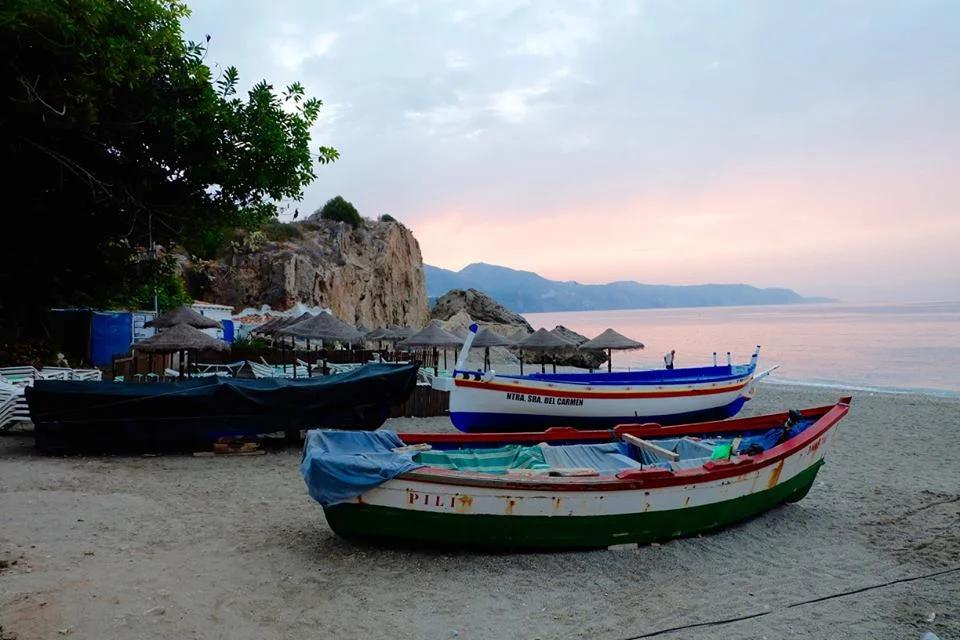
Fishing and trade with the sea have, in other words, been part of life here for more than two thousand years — something you can still feel when the fishing boats land their catch in the morning.
In the early 700s, Andalusia was conquered by the Moors, and the following centuries left a deep mark on the whole region — including Nerja. The town became known as "Narixa", an Arabic name meaning "abundant spring", and it's from here that the current name Nerja derives.
The Moors introduced sugar cane and silk production to the area, and the terraced hillsides still seen in the mountains around the town are an echo of the farming of that time. The Arabic influence lives on in the winding streets of the old town.
For centuries after the Reconquista, Nerja was just one of many small, unknown fishing villages along the coast. That remained the case until King Alfonso XII visited the town in 1885, shortly after a severe earthquake had struck the region.
As the king stood on the rocky outcrop overlooking the Mediterranean, he reportedly exclaimed that the spot was "Europe's balcony". The name Balcón de Europa stuck, and today it's the town's most famous viewpoint — and one of the best places to watch the sun set.

Up until the 1980s, Nerja was still a relatively unknown gem. That changed when director Antonio Mercero chose the town as the location for the TV series "Verano Azul" (Blue Summer), which premiered in 1981.
The series about a group of young people's summer holiday became a huge hit in Spain and was sold to over 50 countries. Suddenly, all of Spain knew where Nerja was, and tourists began to flock there. To this day there's a small park in the town honouring the series and its famous boat.
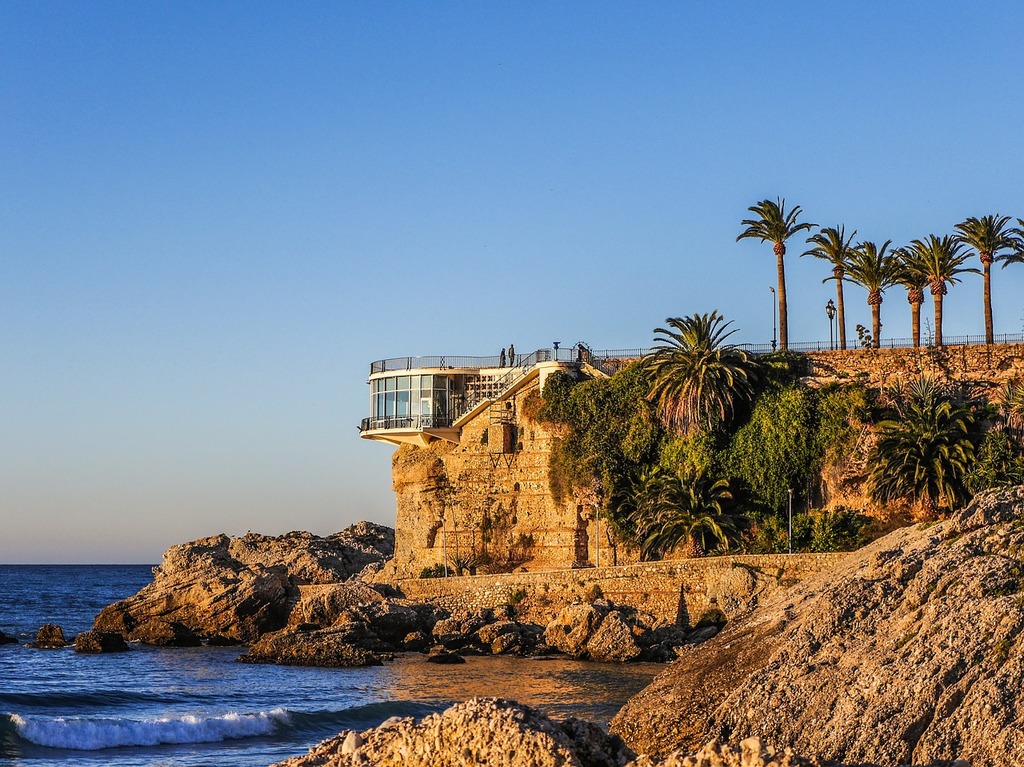
Today, Nerja is a vibrant mix of old and new — a town that has grown with tourism but has kept its soul. The narrow streets of the old town, the whitewashed houses and the view from Balcón de Europa still recall where the town came from.
It's precisely that mix of history, everyday life and beautiful nature that made us fall for Nerja ourselves — and that we hope you'll experience too during your stay at Casa Vega.
Crispy fried fish and sardines grilled on skewers over an open fire right on the beach — two of the Málaga region's most beloved dishes.
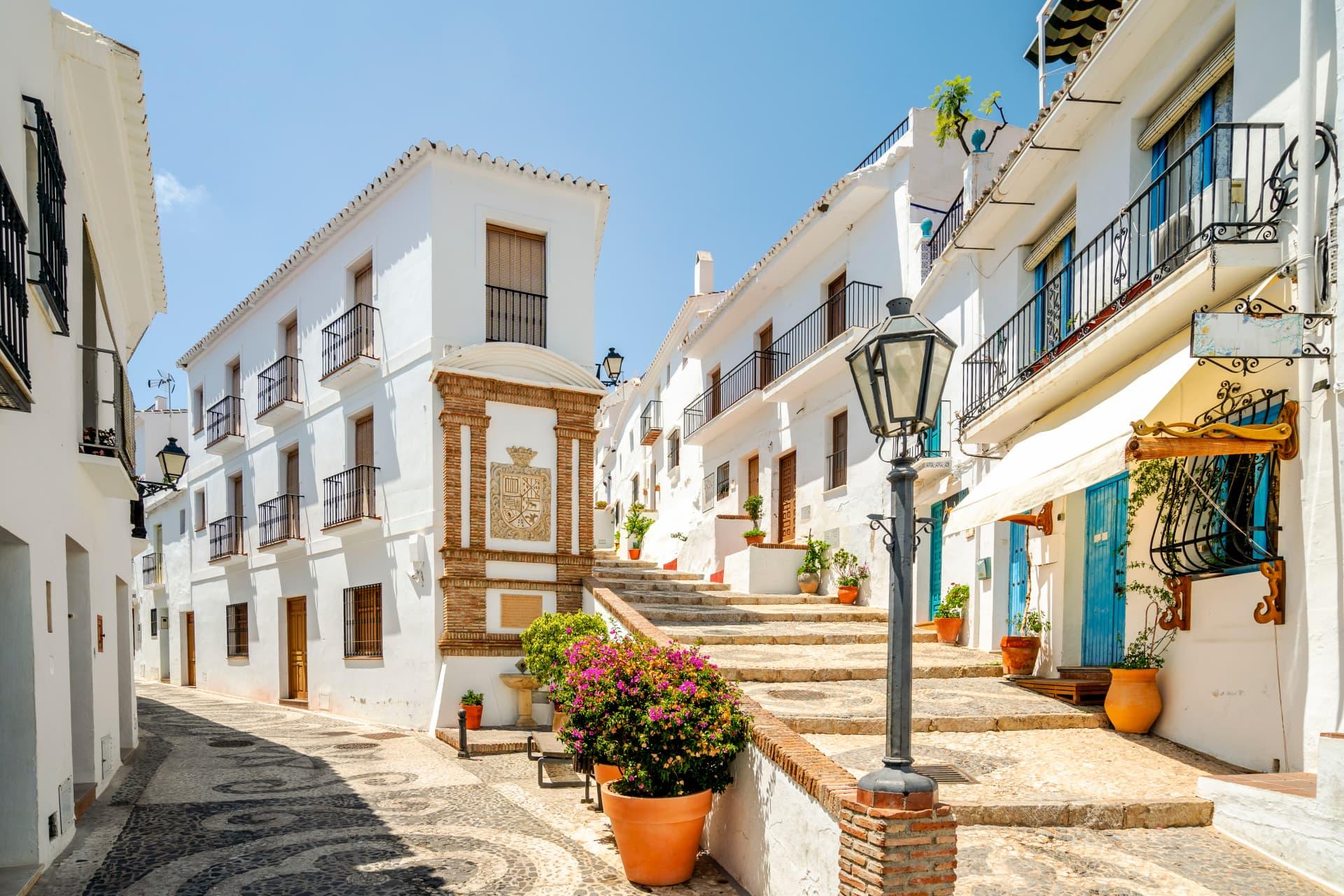
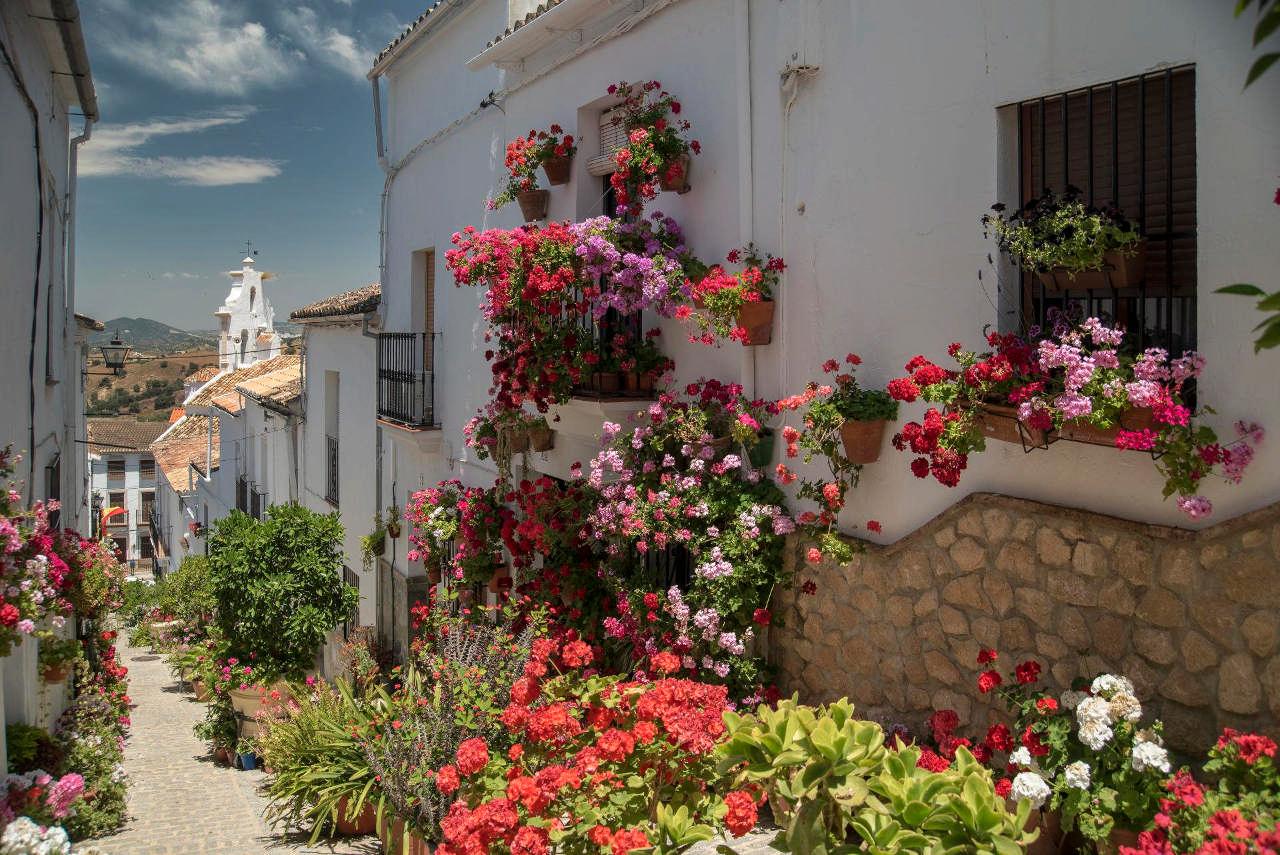
Inland lie the characteristic "pueblos blancos" — whitewashed mountain villages that are among Andalusia's most photographed sights.
The city of Málaga is the birthplace of Pablo Picasso, and his legacy is celebrated today with a museum dedicated to the artist.
The region has a strong flamenco tradition, and the towns come alive during Semana Santa and the many local fiestas throughout the year.
The Costa del Sol lives up to its name with over 320 days of sunshine a year and one of Europe's mildest winter climates.
The mountains around the Axarquía region (where Nerja is located) have a long tradition of sweet moscatel wines grown on sun-drenched slopes.